Claude Duet Review: Anthropic's Proactive Agent, Access and Limits

By Emma Reed
MyClaw Editorial
MyClaw
Run Best-in-Class AI Agents Now
Run OpenClaw or Hermes Agent on managed MyClaw hosting, so your AI agent stays online, updated, and ready for real work.
AI Takeaway
- What is Claude Duet? Claude Duet is a new Anthropic app in which Claude acts as a proactive agent. Anthropic announced it as a research preview on Oct 21, 2026. It sends you a morning brief, watches your connected apps, takes on tasks and asks before acting for you.
- Who can use it, and what does it cost? Only US subscribers on Claude Pro or Max, through a waitlist. During the preview, Duet is included with those plans at no extra cost. Claude's pricing page listed Pro at $20 monthly ($17 monthly if paid yearly), and Max starting at $100 monthly on Oct 22, 2026.
- What can Claude Duet actually do? Anthropic says it can schedule meetings, build dashboards, prepare financial or sales forecasts, prototype and build web apps. It works in the background on its own virtual machine and can reach more than 6,000 connectors and plugins (Anthropic, Oct 21, 2026).
- What are the biggest limits right now? Duet shares your plan's usage limits, is not offered on Team or Enterprise, lacks Microsoft 365 support, hides its browser from you and can miss things that arrive between its checks.
What Claude Duet Is
Claude Duet answers a question many AI companies are chasing: what if the assistant came to you first? Instead of waiting for a prompt, Duet reviews your connected apps, decides what needs attention and messages you about it. Anthropic says it built the app for "professionals and small business owners with more on their plates than they can track."
Duet runs as a standalone app on iOS and Android and also on claude.ai. It is built around Claude Opus 5.5, and during the preview you cannot pick a different model; Duet decides how much effort each job needs. For the model underneath, read our take on Opus 5.5.
Setup is light because Duet carries over your memory, skills and connected apps from your existing Claude account. It lives in its own app for now, separate from the main Claude app, and Anthropic says early feedback will shape how the two fit together.
One naming note: an unrelated open-source GitHub project called claude-duet lets two developers share a Claude Code session. It is not made by Anthropic and has nothing to do with this product.
Access, Pricing and Usage Limits
Each figure in this table is from Anthropic's announcement, product page and help center, read Oct 22, 2026, unless noted.
| Item | Detail |
|---|---|
| Status | Research preview, announced Oct 21, 2026 |
| Who can join | Claude Pro and Max subscribers with a US account, by waitlist invite |
| Team and Enterprise | Not included yet; planned for later |
| Price during preview | Included in Pro and Max at no extra cost |
| Plan prices (Claude pricing page) | Pro $20 monthly, $17 monthly on annual billing; Max starting at $100 monthly |
| Usage | Shares the plan's five-hour session and weekly limits with other Claude tools |
| Welcome bonus | One full limit reset on admission, usable until Nov 30, 2026 |
Usage is the part to read carefully. Duet's background work, such as the morning brief and its regular check-ins, counts toward your limits at the same rate as chats. Bigger jobs, like a financial model or a slide deck, need more model turns. Heavy Pro users may hit caps sooner, which is why Anthropic spaces out the checks.
Invitations go out in waves, so joining the waitlist does not guarantee a date. Access is tied to the email you give, so it should match your Claude account and the Apple or Google account on your phone.
How Claude Duet Works Day to Day
Each morning Duet sends a short brief on the most important items across your connected apps. Through the day it checks those accounts every few hours and messages you only when something needs you. You can tell it what topics matter and how often to hear from it.
Everything happens in one ongoing thread. You type or speak a request, and a quick reply and a weeklong project start in the same place. Because Duet has a virtual machine and a browser of its own, it carries on with your laptop shut and pings you when a task is done or needs review.
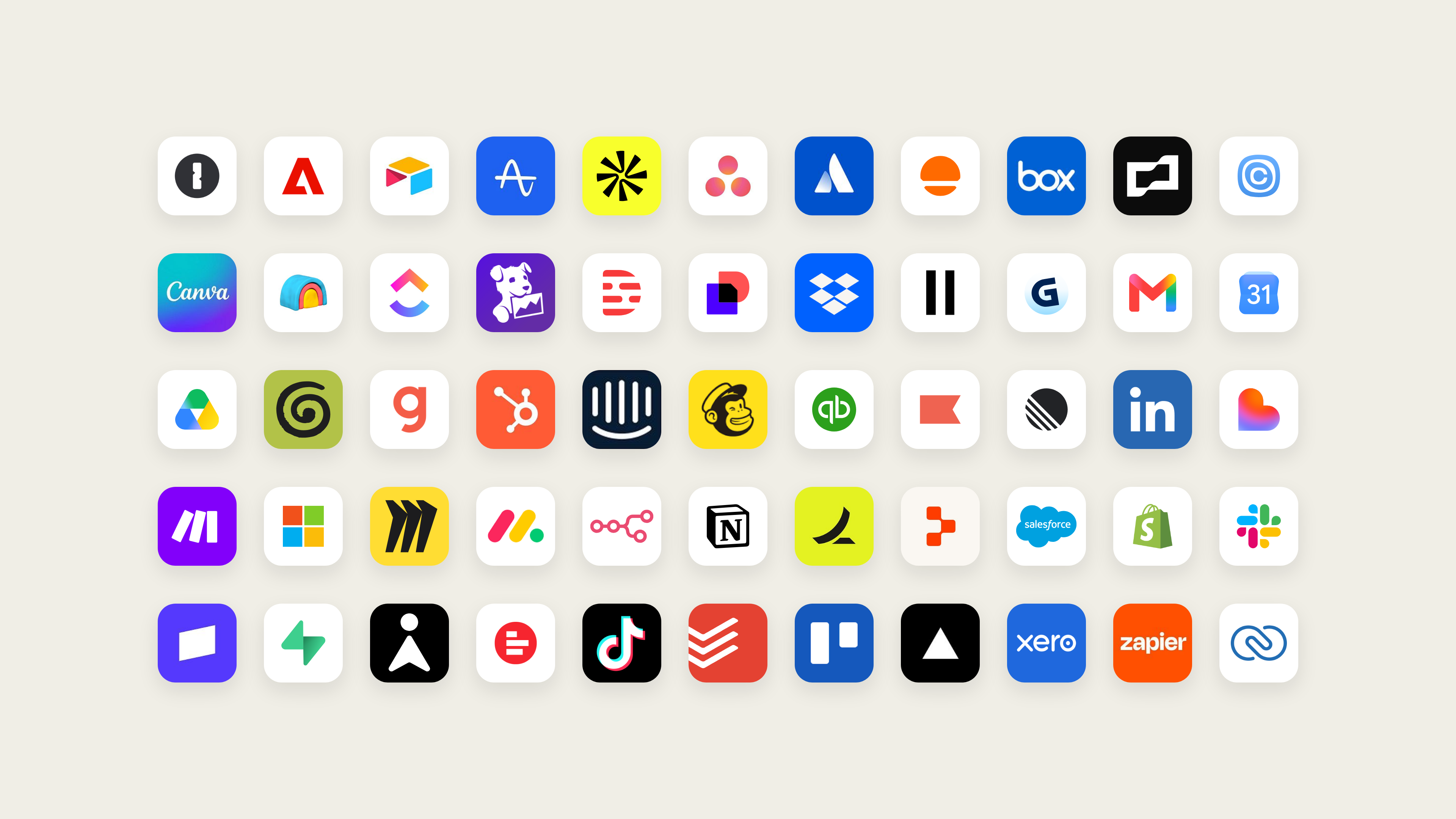
The connector list is broad. Anthropic gives examples such as finding missed Gmail and Slack messages, checking QuickBooks or Stripe for unpaid invoices, preparing payroll in Gusto, drafting follow-ups from HubSpot history, sending agreements through Docusign, building a Canva campaign and managing a Shopify store. Duet can also buy things for a business through Stripe's Link wallet or Shopify's Shop Pay, asking first and using a one-time card for each purchase (Anthropic help center, Oct 22, 2026).
If you have used Anthropic's desktop agent for files, our OpenClaw vs Claude Cowork guide shows how another Claude agent product approaches similar work.
Safety, Approvals and What Stays Off-Limits
An agent that reads email and spends money needs firm guardrails, and Anthropic spends much of its launch post on them. These are vendor claims:
- Approval first: Duet reads, drafts and prepares on its own, but before it sends a message, makes a payment, signs a document or deletes anything, it shows the exact action and waits for your OK.
- Hard limits: some actions are blocked even with approval, including trading securities, moving money between accounts and accessing someone else's account.
- Credentials: Duet never directly sees your passwords or sign-in tokens.
- Sensitive data: a dedicated classifier blocks sharing credit card numbers and government IDs, and lets health or personal finance details out only when you explicitly ask.
- Testing: Anthropic says red teams and an outside firm ran penetration tests, and Duet is covered by its public bug bounty.
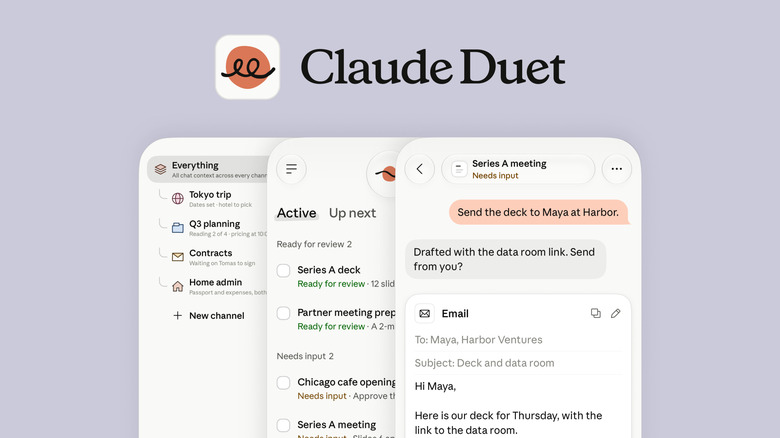
When Duet reports a number or summary, it names the email, file or sheet behind it, and Anthropic promises more safety details soon.
Claude Duet Strengths and Weak Points
This summary rests on Anthropic's published material from launch week, not on our own testing.
Pros: Claude Duet
- Comes to you with a daily brief instead of waiting for prompts.
- Asks before sending, paying, signing or deleting.
- Reaches Pro subscribers, not only top-tier plans.
Cons: Claude Duet
- US-only waitlist, with no Team or Enterprise access yet.
- Background checks eat into shared usage limits.
- Can miss items between checks, and Microsoft 365 is not supported.
How Duet Compares With Dots and Muse
Duet arrives a few weeks after OpenAI's Dots and after Meta's Muse drew wide attention. All three pitch a personal agent that runs in the cloud and works on your behalf.
The clearest difference today is access. OpenAI's help center says Dots are rolling out to ChatGPT Pro users outside the EEA, Switzerland and the UK, plus Business Premium, with an Enterprise beta. OpenAI lists Pro plans at $100, $200 and $500 a month (OpenAI help center, read Oct 22, 2026). Duet, by contrast, is reachable on Claude Pro at $20 a month, though only in the US and only by invite. Our explainer on Dots covers OpenAI's version in more depth.
Another difference is how usage is counted. OpenAI says conversations with a dot do not count toward ChatGPT limits, while Duet's chats and background checks both draw on your Claude allowance. For Meta's approach, see our overview of Muse AI.
Who Should Join the Waitlist
Duet looks most useful for US-based professionals and small business owners who already live in Claude, rely on connected apps such as Gmail, Slack, QuickBooks or Shopify, and want a daily brief plus help with admin. For current Pro or Max subscribers, joining costs nothing during the preview.
Duet suits you less if you are outside the US, on a Team or Enterprise plan, dependent on Microsoft 365, or already close to your usage caps. People who need instant alerts should note that Duet checks in every few hours rather than watching constantly.
Keep a Model-Flexible Agent Running With MyClaw
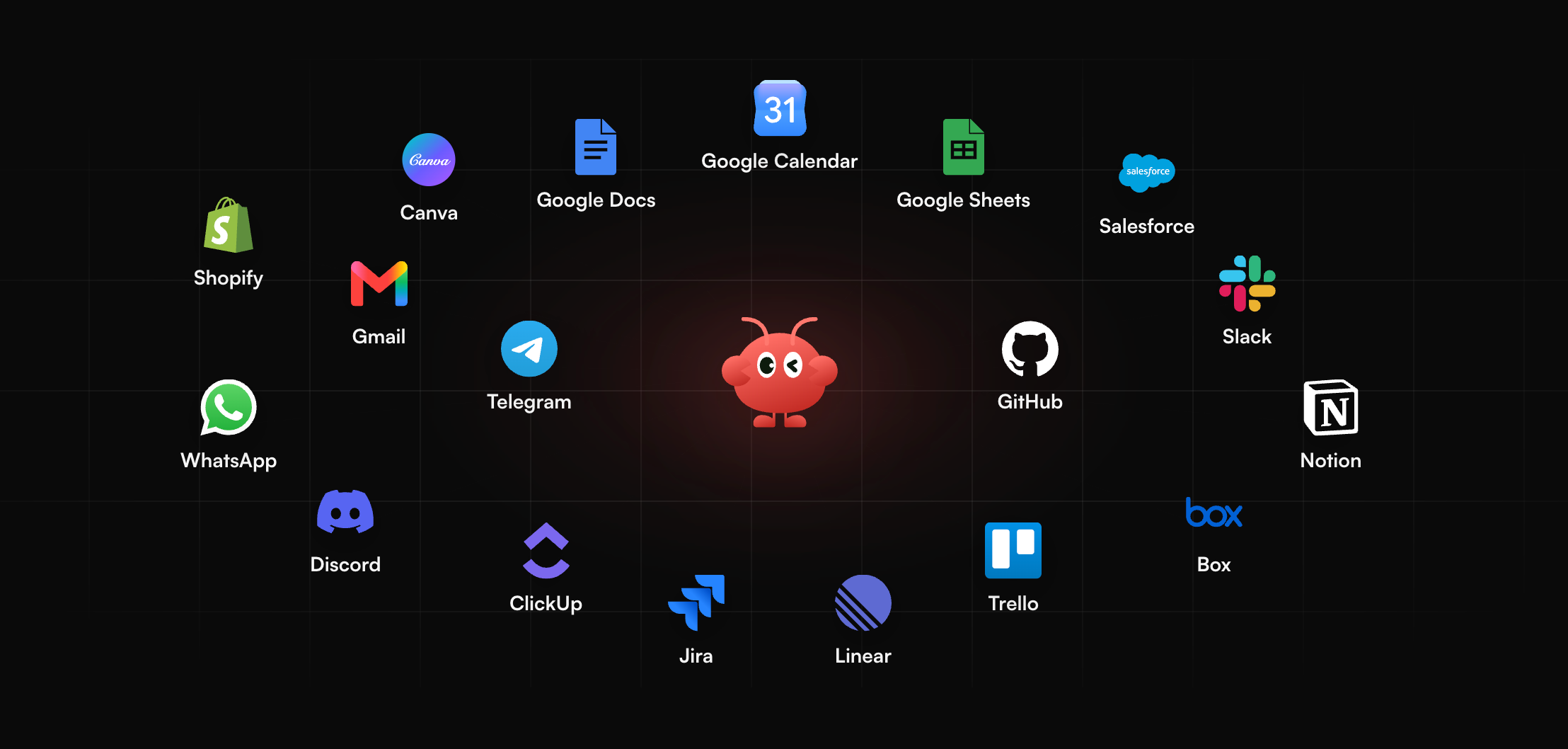
Not everyone can wait for an invite or wants one fixed model. MyClaw hosts a personal assistant, running Hermes or OpenClaw, that stays online in the cloud. You pick the engine, since MyClaw's helper works with most popular models. Three moves get it going:
- Launch your MyClaw agent and choose the chat app you want to reach it through.
- Link the apps it should watch and explain the repeating task in everyday language.
- Look over the opening runs, tweak your wording, then put it on a timetable.
Conclusion
Claude Duet is Anthropic's most ambitious consumer agent so far: a proactive assistant built on Opus 5.5 that briefs you each morning, works in the background and asks before it acts. Its safety design is detailed and its access is broad by plan, reaching Pro at $20 a month. The trade-offs are a US-only waitlist, shared usage limits and gaps such as Microsoft 365. If you qualify, the preview costs nothing extra to try.
Skip the Setup, Run Best-in-Class AI Agents Now
Launch a managed OpenClaw or Hermes Agent workspace in minutes, with always-on hosting, updates, and support handled by MyClaw.